
Prediction Markets
Why prediction markets could become a trillion-dollar industry.
June 10, 2026 · 1 min read
For most of their history, prediction markets were a curiosity — a clever way to price the odds of an election or a sporting result. That framing is now badly out of date. What began as a niche has become a fast-growing asset class, with venues handling billions in volume and a widening set of events to trade.
The reason is simple: a price is the most efficient summary of what a crowd believes. When that price updates in real time, it becomes a live, tradable forecast — and forecasts are valuable to anyone making a decision under uncertainty.
From novelty to infrastructure
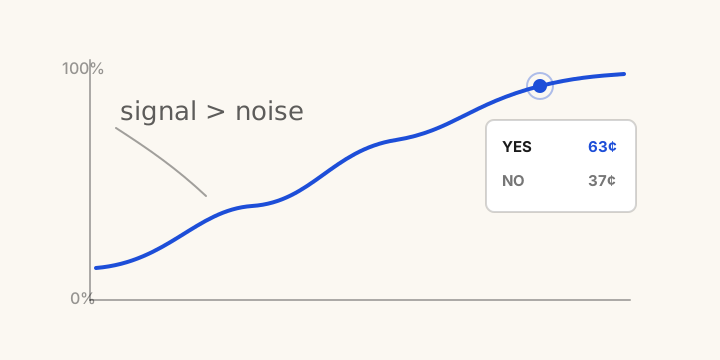
Consensus is not truth — but a liquid market is the fastest way we have to find out where consensus is wrong.
- Deeper liquidity as institutional participants enter the order book
- A broader event universe — macro, climate, technology, and corporate milestones
- Clearer regulation in key jurisdictions, lowering the cost of participation
- Better tooling for pricing, settlement, and risk that mirrors mature markets
Put those together and the addressable market looks less like a betting vertical and more like a new layer of financial infrastructure — one that sits between traditional markets and the open-ended questions institutions actually care about.
That is why the most ambitious trading firms, exchanges, and research teams are staffing up now. The edge in a young market goes to whoever builds the best people and systems first.